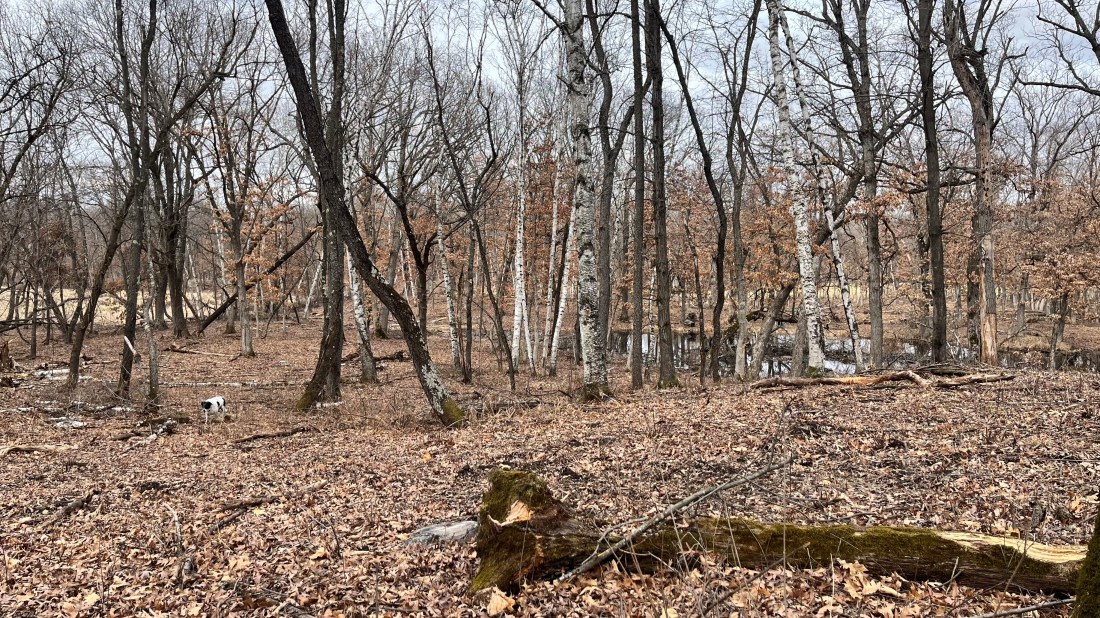
Greetings from the frozen north, where it is a balmy 8°F today! Despite the cold, I think most Minnesotans would agree that this is a pretty great place to live. Here “all the women are strong, all the men are good-looking, and all the children are above average,” at least according to Garrison Keillor. Even in the absence of Keillor’s dry humor, however, our state consistently ranks high in quality of life metrics. We also have abundant parks and trails, accessible whether you live in the cities, suburbs, or remote rural regions, and a highly engaged population that leads the nation in voting and volunteerism. Also, despite being exceptionally humble, we can also be extremely feisty. No one anywhere is going to push us around.
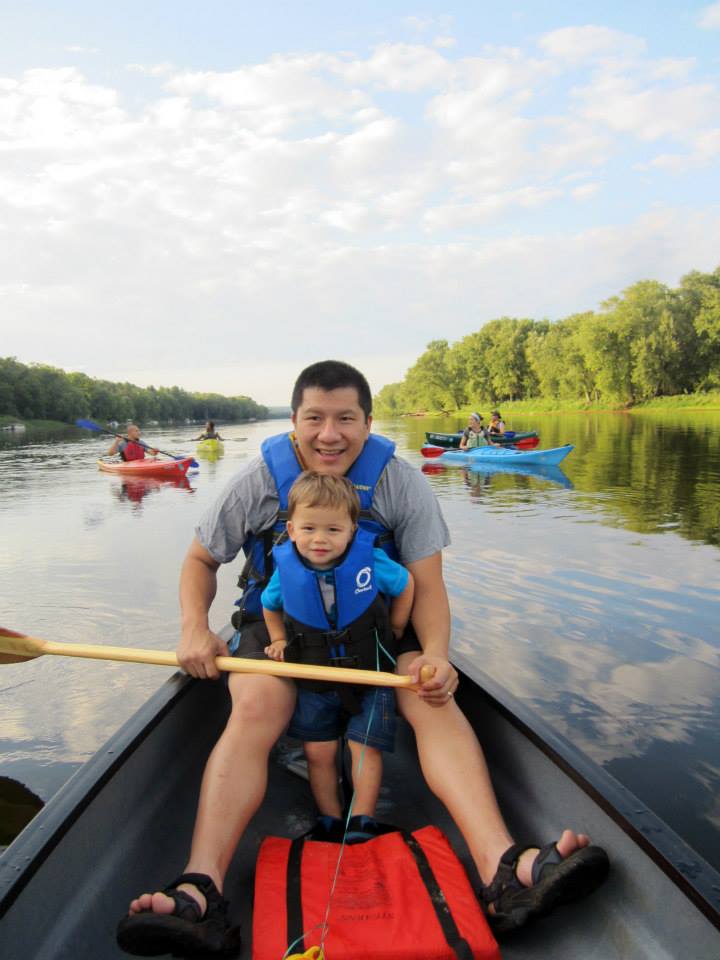
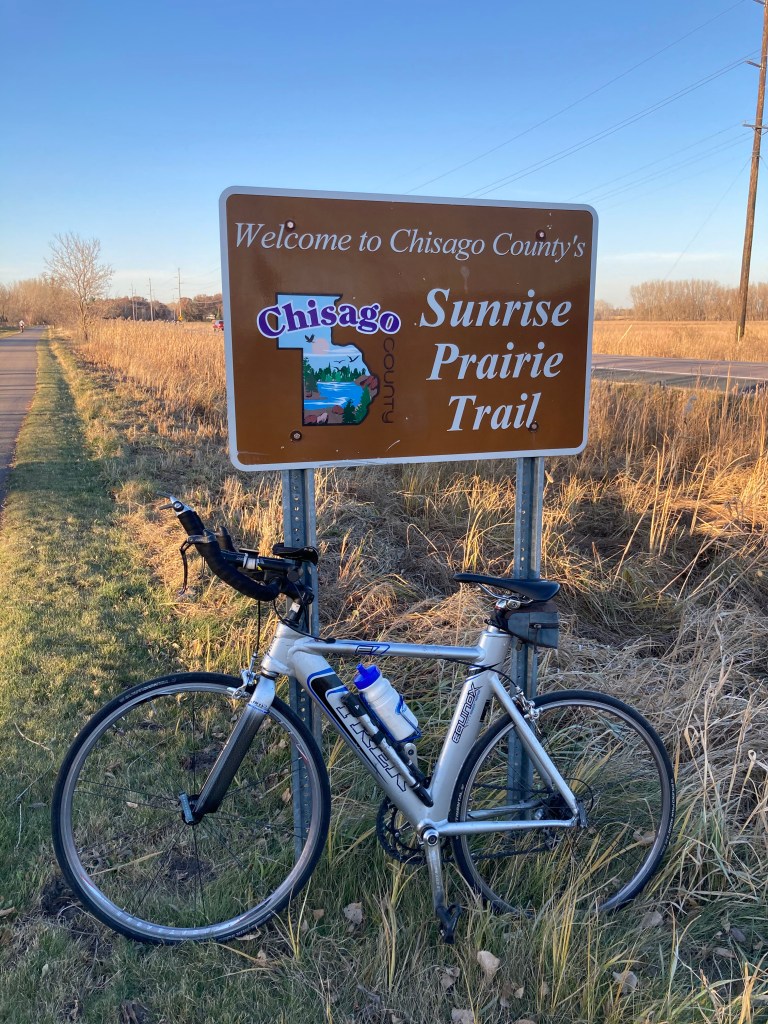
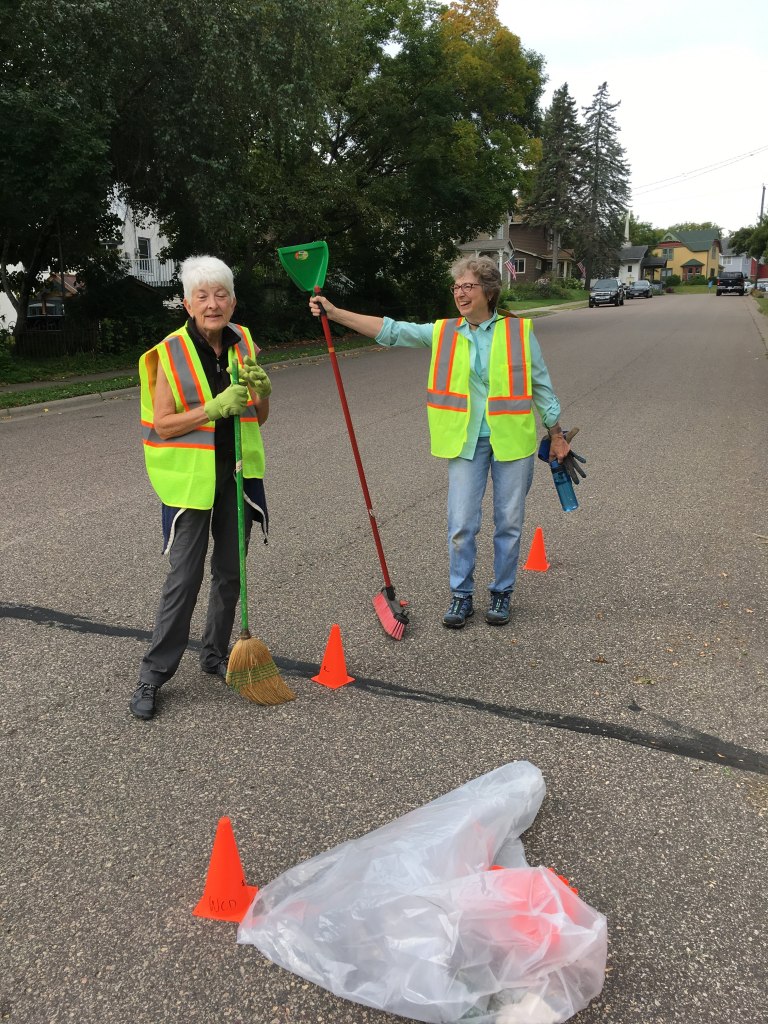
One of Minnesota’s many claims to fame is our passion for the outdoors, exemplified by the passage of a Clean Water, Land and Legacy Amendment to our state constitution in 2008. The amendment dedicates three-eighths of one percent of all sales tax to programs that protect drinking water, restore wildlife habitat, preserve arts and cultural heritage, support parks and trails, and help to restore lakes, rivers, and streams. At the time it was passed, it was the largest conservation financing ballot measure in U.S. history.
Since 2010, the Legacy Fund has generated more than $6 billion in funding, which has supported more than 40,000 projects statewide. Importantly, these funds are used to amplify the work that state agencies, local government, and nonprofit organizations are already doing. In other words, we all do better when we all do better.
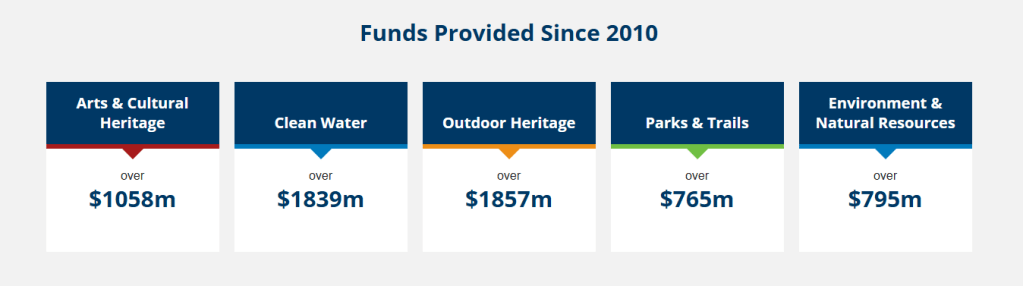
In practical terms, the Legacy Amendment has catalyzed some pretty significant changes in Minnesota’s natural environment. One major achievement has been removing 184 lakes and streams from the state’s impaired water list due to improved water quality. In the Twin Cities east metro, this includes three lakes and two streams in Anoka County, five lakes and two streams in Chisago County, eight lakes and two streams in Ramsey County, and 15 lakes in Washington County – 37 water bodies in total.
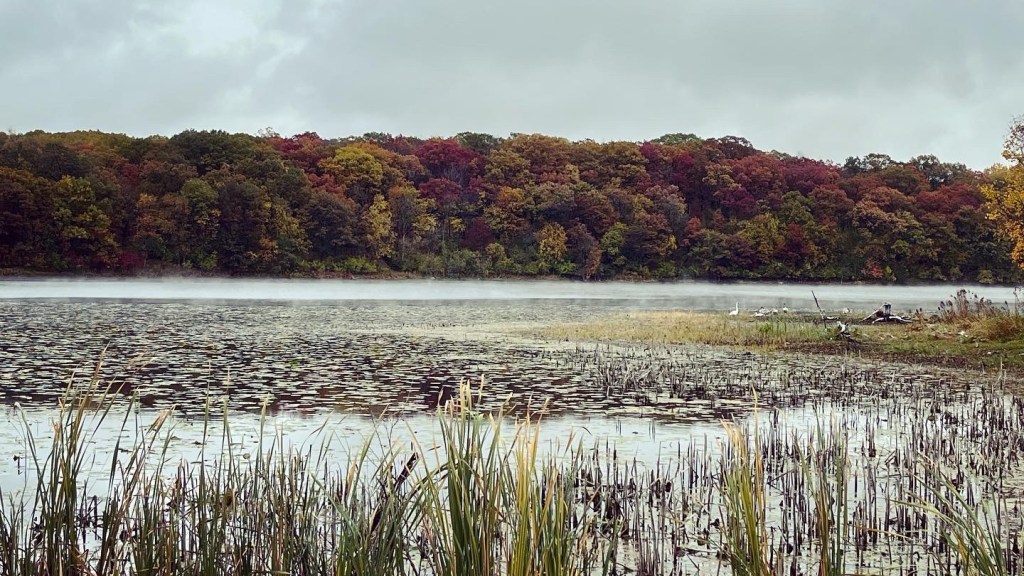

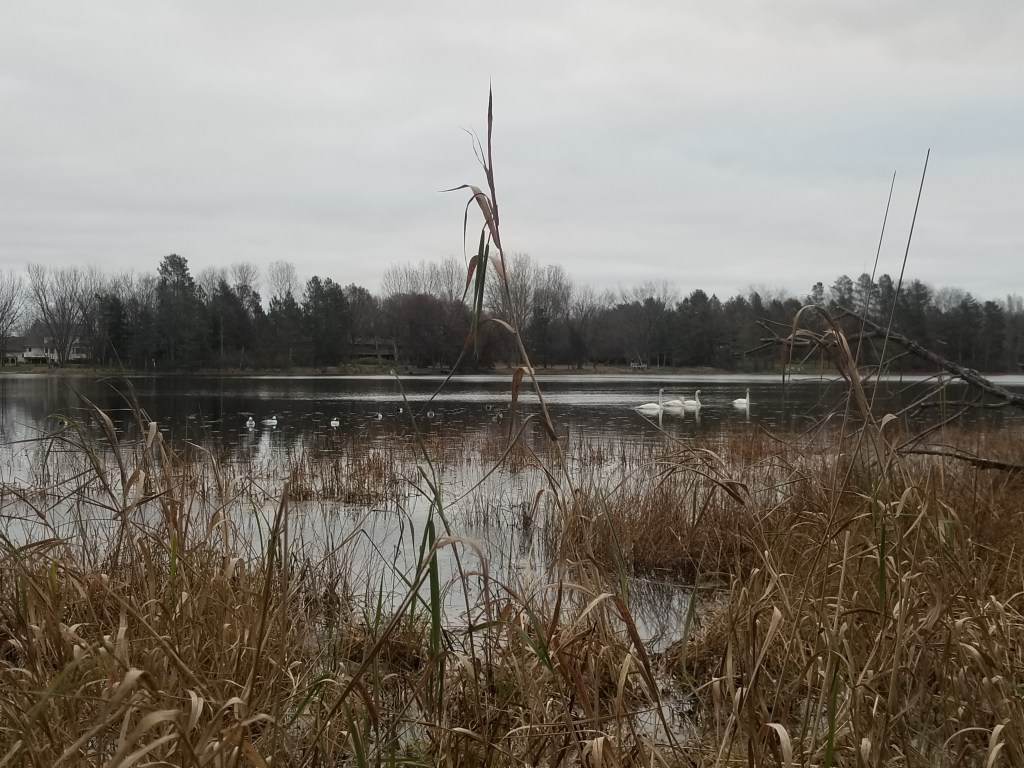
In addition, the Outdoor Heritage Fund has helped to restore, enhance and permanently protect more than 1 million acres of wildlife habitat. Two local examples include the recent purchase of 237 acres of wetlands south of Bone Lake in Scandia (completed in December of 2025), as well as permanent land protection established for 119 acres of forest and wetlands in the Carnelian Creek conservation corridor of May Township. Elsewhere in Minnesota, the funds have been used to remove dams and reconnect lakes and streams, protect wild rice habitat, and restore hundreds of thousands of acres of prairies and wetlands.

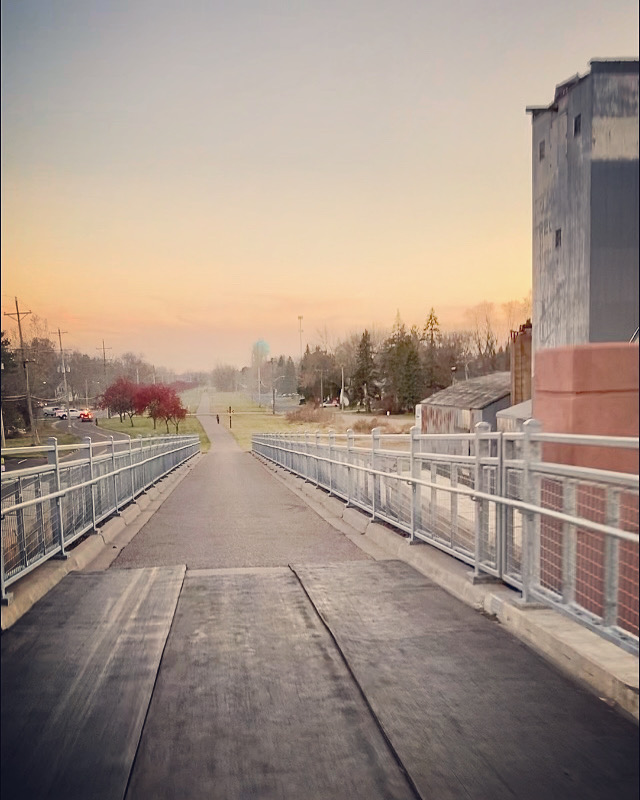
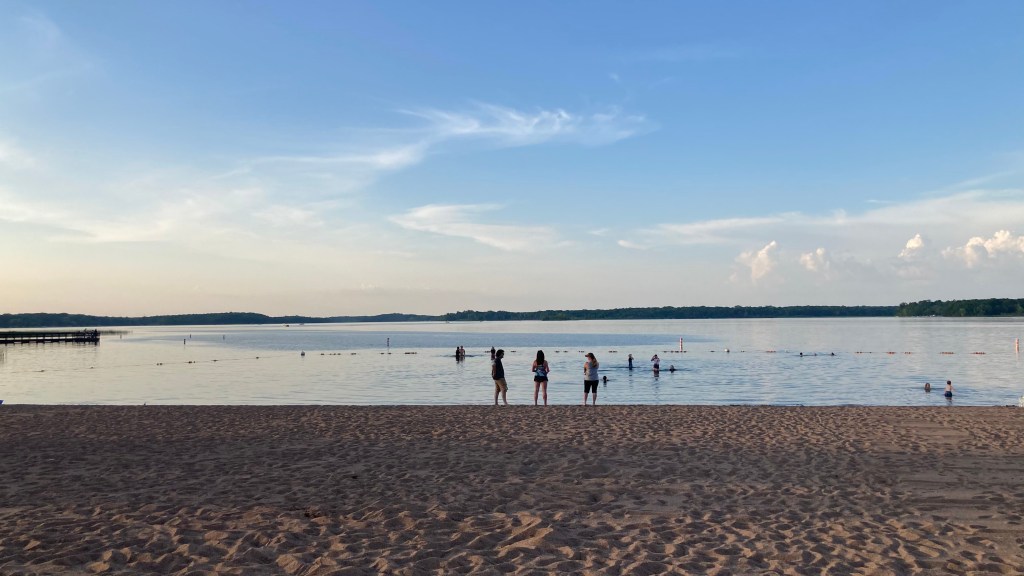
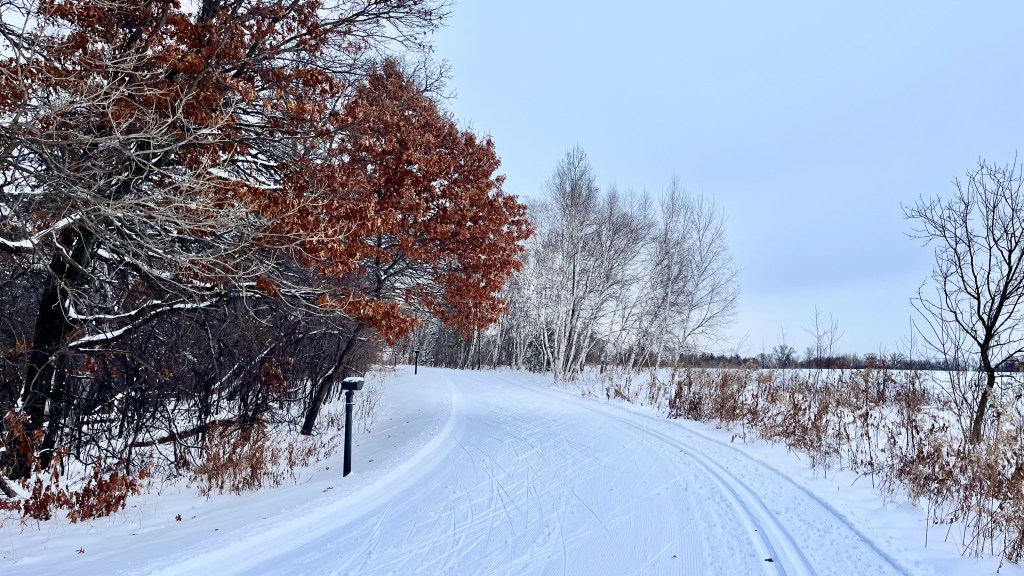
We can also see Legacy Funds at work at local parks and trails in our communities. At Lake Elmo Park Reserve, grants have helped to pay for recreational amenities such as the Nordic Center, lighted ski trails, and the swimming pond, as well as oak savanna and prairie habitat restoration. The Parks and Trails Fund has also helped Washington County Parks to build the Point Douglas Regional Trail, upgrade the Hardwood Creek Trail, and add 16 acres to Big Marine Park Reserve, 36 acres to Lake Elmo Park Reserve, and 43 acres to the future Grey Cloud Island Regional Park.
Minnesota might not be perfect but there are a few things that we do very well. We care deeply about our prairies, woods, and waters, excel at building partnerships that cross political boundaries and ideological differences, and show time and again that we’re willing to roll up our sleeves and work together for a better world.
To learn more about the Legacy Amendment and explore projects in your area, visit www.legacy.mn.gov.

 East Metro Water